As of November 2026. Rules, forms and fees change. Confirm the current requirements with the San Francisco Planning Department before you rely on anything here.
In San Francisco your neighbors are part of your permit. The Planning Code gives them notice of many projects and a formal way to ask the Planning Commission to look again. If you know how that works before you design, you can plan for it. Most of the trouble comes from finding out late.
Step one: the pre-application meeting
For some projects the Planning Department requires community outreach before you submit anything. A Pre-Application Meeting is required for projects subject to neighborhood notification that include:
- New construction
- Any vertical addition of 7 feet or more
- Any horizontal addition of 10 feet or more
- Decks more than 10 feet above grade, or within the required rear yard
You invite the neighbors and registered neighborhood organizations, show them the proposal and hear their concerns. It is a requirement, and it is also the cheapest moment to change the design.
Step two: neighborhood notification
Planning Code Section 311 requires notice to neighbors for building expansions and certain changes of use in residential districts. The Department describes it this way:
- Once the assigned planner finds that the project meets the minimum standards and can be approved, the Department mails a notice to residents and property owners within 150 feet, and to registered neighborhood organizations.
- The notice opens a 30-day period for neighbors to review the project and comment.
- For residential buildings, an alteration that triggers notice is, broadly, an increase to the exterior dimensions of the building. The Zoning Administrator publishes a bulletin listing the features that are exempt.
The Department also notes that notification requirements now differ significantly depending on whether the property is inside or outside the Priority Equity Geographies Special Use District. Outside it, only certain scopes of work require notification. Your planner or architect can tell you which side of that line your address falls on.

Step three, if it happens: Discretionary Review
Normally the Planning Department approves applications that meet the Planning Code and the design guidelines. During the notification period, a neighbor or neighborhood organization who objects can file a request for Discretionary Review, known as a DR.
The Department’s own description is worth knowing:
- A DR asks the Planning Commission to take a second look at a project that already meets the zoning standards.
- It is meant for exceptional and extraordinary circumstances. The Department says the Commission has been advised to exercise this discretion with the utmost constraint.
- When a DR is filed, the project is not approved at the end of the notification period. It is decided by the Planning Commission at a public hearing, which will approve it, disapprove it or require changes.
- The hearing typically takes place within 12 weeks after the close of the notification period.
The Department encourages neighbors to resolve concerns with the applicant, with staff or through mediation before filing. That is one more reason to talk to the neighbors early and to mean it.
After Planning: the building permit and the Board of Appeals
Planning approval is not the permit. The building permit is issued by the Department of Building Inspection, and that issuance comes well after the Planning Department’s approval. Once the permit is issued, it can be appealed to the Board of Appeals within 15 days.
Some blocks have rules of their own
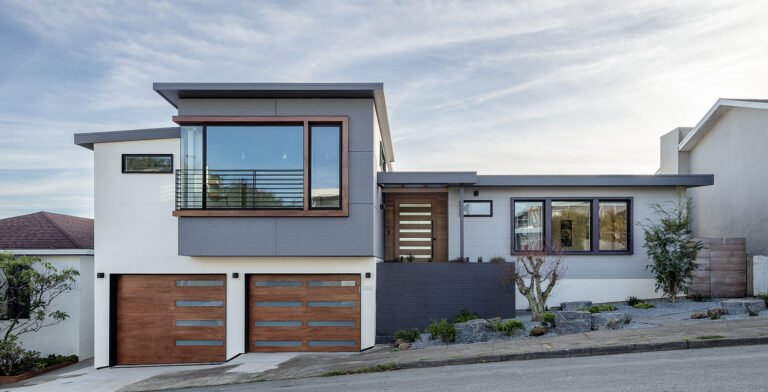
Special use districts and neighborhood design guidelines add requirements in parts of the city. Our house on Elsie Street in Bernal Heights had to meet the strict design guidelines of the Elsie Street code and the Bernal Heights Special Use District, which presented challenges not found elsewhere in San Francisco. On 30th Street, preserving the street facade was a priority for the Planning Department; the rear of the house is where the design is contemporary.

What our San Francisco clients say about this part
From the owners of our Addison project: “His experience in working with the city made the process of getting the necessary permits very smooth, without the delays we had come to fear.” And: “When aspects of our window design required adjustments due to city regulations, Phil helped to ensure that not only did the windows meet the requirement, they looked great as well.” (Becky T.)
How to make this easier
- Find out early whether your project triggers a pre-application meeting and neighborhood notification.
- Design with the adjacent houses drawn in: their windows, their light, their yards.
- Meet the neighbors before the City’s notice reaches them.
- Keep a record of what you changed in response. If a DR is filed, it shows the Commission that you listened.
Questions and answers
What is the 311 notification in San Francisco?
It is the neighborhood notice required by Planning Code Section 311. The Planning Department mails notice of certain projects to residents and owners within 150 feet and to neighborhood organizations, which opens a 30-day review and comment period.
What is a Discretionary Review?
A request, filed during the notification period, that the Planning Commission review a project that otherwise meets the Planning Code. The Commission holds a public hearing and can approve the project, disapprove it or require changes.
How long does a Discretionary Review add?
The Planning Department says the hearing typically occurs within 12 weeks after the notification period closes.
Can a building permit be appealed after it is issued?
Yes. An appeal to the Board of Appeals may be filed within 15 days of the date the permit is issued.
Sources
All read on November 14, 2026.
- San Francisco Planning, Neighborhood Notification (last updated May 8, 2026)
- San Francisco Planning, Zoning Administrator Bulletin 4 (revised March 2026)
- San Francisco Planning, Pre-Application Meeting (last updated May 8, 2026)
- San Francisco Planning, Discretionary Review (last updated May 10, 2026)
Our portfolio includes sixteen San Francisco projects. See our projects, or contact us about yours.